
Protecting At-Risk, Underrepresented Wildlife
Ren for Charities
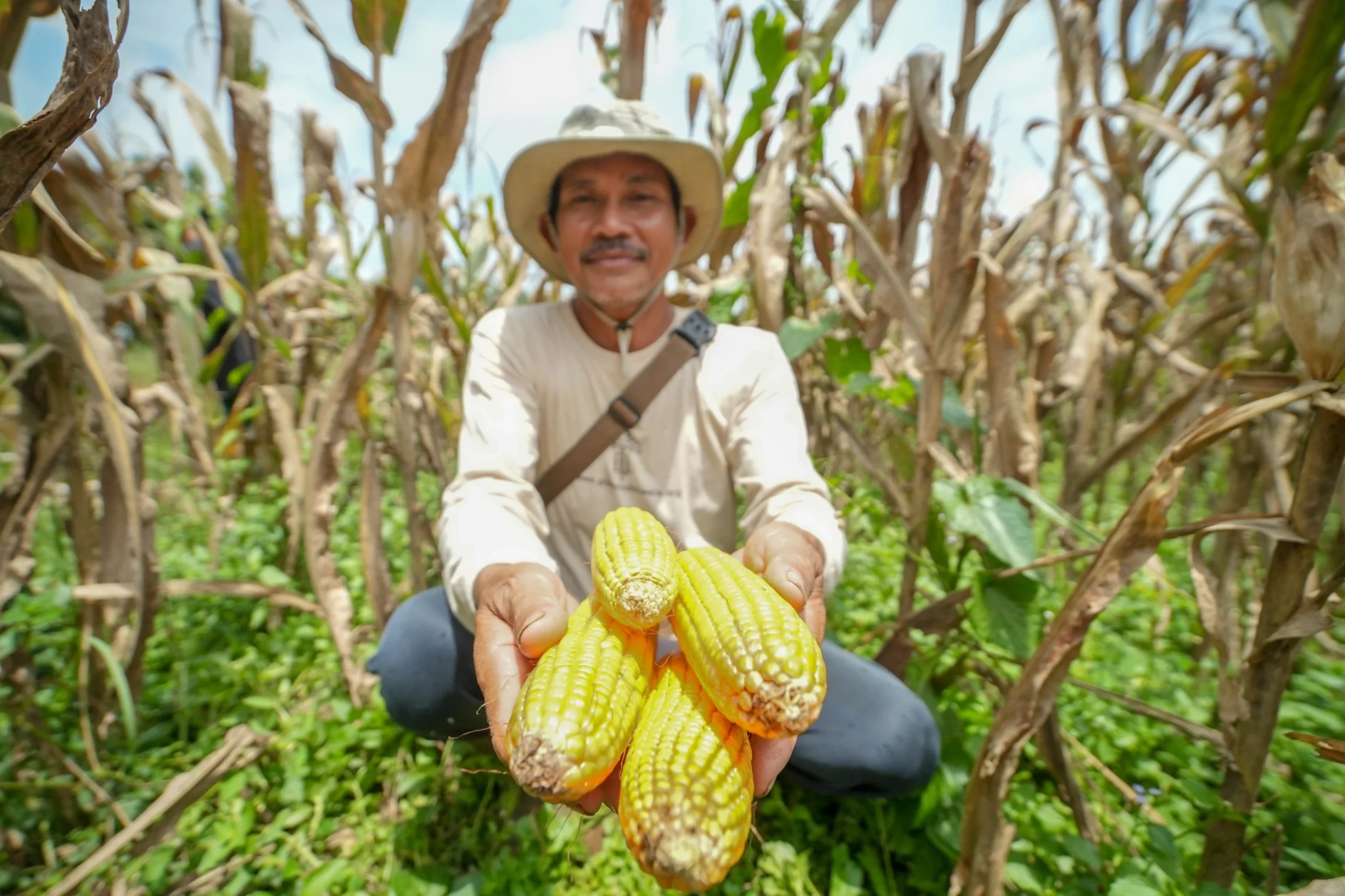
Many of the world’s most critical environmental challenges fly under the radar of major conservation agencies because they are lesser known and don’t have the ability to market themselves. Our team constantly and proactively searches the globe for projects that are making profound change in spaces that matter most—recognizing where strategic funding can unlock tremendous potential.
What’s happening in this space
Conservation funding remains concentrated among large NGOs, flagship species, and highly visible geographies, leaving many high-value local efforts under-resourced.
Research is showing community-led, climate-smart conservation solutions create sustainable, real-world outcomes. When global politics change, communities stay strong.
What’s missing
Too much funding still remains concentrated at the top level, while frontline communities often lack the direct resources, training, and infrastructure needed to build self-sustaining systems.
Many funding models remain transactional rather than true partnerships, limiting long-term ownership and local leadership.
Why this initiative is needed now
Biodiversity loss, habitat degradation, climate disruption, and wildlife pressures are accelerating globally, while many practical, field-tested solutions remain underfunded.
In today’s economic and social climate, more strategic investment is urgently needed at the ground level to empower communities, strengthen conservation systems, and create sustaining success well beyond traditional funding cycles.
Our mission
- To identify and support essential, yet underrepresented wildlife and ecosystem projects around the world through community-led initiatives and pioneering solutions
- To advance biodiversity protection, environmental education, social enterprise, and systems change through local changemakers—creating sustainable solutions through resilient communities, systems, and practices
Who it serves: Animals, plants, and ecosystems around the world, along with their local communities.
Core strategy
Strategy 1: Underrepresented Wildlife and Ecosystem Conservation
Across rainforests, savannas, mountains, and coastlines, EFI protects the species most at risk—from Sri Lanka’s last tuskers and Kenya’s big cats to sea turtles in Mexico and sharks in Indonesia. Our partners defend the world’s most fragile ecosystems so wildlife can thrive again.
Strategy 2: Community-Led Conservation and Sustainable Livelihoods
EFI believes conservation succeeds when communities lead it. We support Indigenous land stewards in Borneo and the Philippines, empower community-led conservation work in Mexico, and help former shark fishers become ecotourism guides in Indonesia. When livelihoods grow stronger, ecosystems heal with them.
Strategy 3: Environmental Education and Youth Engagement
EFI expands access to nature through camps, hikes, field trips, mangrove programs, snorkeling, curriculum support, and rural school investment—building the next generation of environmental leaders.
Strategy 4: Climate Resilience and Habitat Restoration
EFI restores the ecosystems that safeguard our planet’s future. Mangroves, seagrass, rainforests, and shorelines are revived through community-driven restoration, fire-free farming, and Indigenous forest protection. Each project strengthens both nature and the people who rely on it.
Strategy 5: Policy, Governance, and Systems Change
Lasting conservation requires strong foundations. EFI supports efforts that shift laws, secure Indigenous land rights, elevate keystone species protection, and advocate for national parks and pollinator policies. These changes safeguard ecosystems far beyond any single grant year.
Strategy 6: Human-Wildlife Coexistence, Animal Welfare & Ecosystem Health
EFI supports humane, community-based solutions that improve relationships between people, domestic animals, and wildlife while protecting local ecosystems. This includes stray dog and cat population management, veterinary care, rescue and sanctuary support, conflict-reduction efforts, and community education that reduce pressure on surrounding habitats. By improving animal welfare and coexistence, EFI helps create healthier communities, stronger ecosystems, and more sustainable conservation outcomes.
Success stories
Project Hiu | Lombok, Indonesia
In coastal Indonesia, shark fishing has long been driven by economic necessity rather than choice. For many families, declining marine resources and limited job opportunities left few alternatives beyond harvesting the very species their ecosystems depend on.
Project Hiu is changing that reality through one of the most compelling community-led marine conservation models in the world. Instead of criminalizing fishers or imposing outside solutions, the organization works directly with former shark fishers to help them become ecotourism operators, marine stewards, and local champions for ocean protection.
EFI’s support has helped strengthen this transition by investing in organizational capacity, community education, women’s livelihood opportunities, clean water access, and marine research.
The result is a model where endangered sharks are worth more alive than dead, local families gain dignified income, and communities become active protectors of their own coastal ecosystems.
Project Hiu demonstrates that when conservation creates opportunity, communities can become the most powerful force for protecting the ocean.
Philippine Eagle Foundation | Mindanao, Philippines
On the island of Mindanao, one of the world’s rarest and most powerful birds faces mounting threats from deforestation, habitat fragmentation, and economic pressures on forest communities. The Philippine eagle is more than a species at risk of extinction—it is a cultural icon and symbol of the health of an entire rainforest ecosystem.
EFI served as the pilot funder for this initiative, helping catalyze a groundbreaking model led by the Philippine Eagle Foundation that protects both wildlife and the people who share the landscape.
Rather than focusing on species protection alone, the organization integrates Indigenous leadership, forest stewardship, cultural preservation, youth education, women-led livelihoods, and advanced landscape planning. Traditional ecological knowledge is combined with modern conservation science to guide habitat protection and long-term management across ancestral lands.
This approach is helping build a future where local communities are empowered as the primary guardians of eagle habitat, creating durable protection for forests, biodiversity, and future generations. The Philippine Eagle Foundation exemplifies how early philanthropic investment can unlock world-class conservation solutions rooted in local leadership.
How we measure success
Success is measured across environmental, community, and social and economic systems. KPIs are established independently with each partner.
2025 statistics
- 19.2M acres restored/protected
- 698,860 seedlings planted
- 7,292 species positively impacted
- 304 critically endangered, threatened, or at-risk species positively impacted
- 10,396 Indigenous/local community members impacted
- 291 education/community engagement programs implemented
- 6,000+ youth directly impacted through our initiatives
- 131 women participated in Program Development and Leadership
- 43% of women-led or women-participating programs
- 4,764 animals spayed/neutered
How impact will be tracked: EFI tracks partner-reported outputs, ecological indicators, acreage, species outcomes, participation metrics, policy milestones, and annual qualitative success stories.
Reporting cadence: Annual updates, comprehensive visual report annually.
Decision-making and updates
Who is responsible: The team at Anonymous Philanthropy is led by a seasoned expert in the conservation space along with a team that includes partnership development, marketing, and public relations.
How often strategy is reviewed: Strategy is reviewed and set annually. Portfolios are reviewed at mid-year. Rolling opportunity assessment for emerging high-impact projects.
Subject matter expert
Subject matter expert
Mallory Lindsay is a conservation strategist and initiative leader with 20+ years of experience in wildlife rehabilitation, species conservation, program development, education, and strategic partnerships. She specializes in identifying high-impact opportunities, building trusted collaborations, and translating complex conservation work into compelling narratives that drive awareness, funding, and measurable results. Mallory also brings 10+ years of experience in scientific storytelling and expert consulting, with collaborations including Disney+, Hulu, Science Channel, Xploration Station, Good Morning San Diego, and nationally accredited zoological institutions. She has also worked alongside dozens of grassroots organizations to elevate their voice, expand visibility, and strengthen long-term impact.
Ren for Charities
Get an edge on charitable giving.
Sign up for our newsletter